麦吉的农场
简介: 详情 ∨
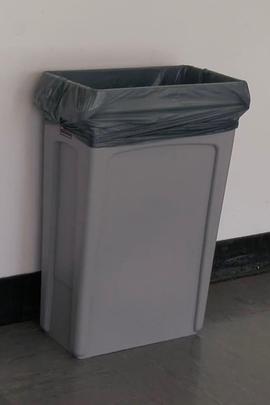
A portrait of an art institution as a cinematic landscape: in a succession of static shots, James Benning explores the buildings and terrain of the California Institute of the Arts, where he teaches. A series of views of nature filmed in the surrounding park and woods transitions into images of floors, seating areas and other details of a public building not meant for show. In both parts, an uncanny feeling dominates: the geometries of nature, the dark green and brown tones, the rushing of the highway in the background on the one hand and the humming of halogen lamps, the sound of steps in an otherwise seemingly empty school on the other – it all seems to be hiding a secret. The camera’s gaze is almost always restricted; it rarely penetrates very far into the image. It discovers shabby corners, observing scenarios more reminiscent of a mystery novel than the campus of an art institution. More so than in the majority of James Benning’s longer works of recent years, a narrative lies concealed within the images; every shot creates an urge to move forward, a tension, almost as if the landscapes and interiors were the scenes of a crime.
剧情简介
一、《麦吉的农场》讲述的是什么故事?
《麦吉的农场》A portrait of an art institution as a cinematic landscape: in a succession of static shots, James Benning explores the buildings and terrain of the California Institute of the Arts, where he teaches. A series of views of nature filmed in the surrounding park and woods transitions into images of floors, seating areas and other details of a public building not meant for show. In both parts, an uncanny feeling dominates: the geometries of nature, the dark green and brown tones, the rushing of the highway in the background on the one hand and the humming of halogen lamps, the sound of steps in an otherwise seemingly empty school on the other – it all seems to be hiding a secret. The camera’s gaze is almost always restricted; it rarely penetrates very far into the image. It discovers shabby corners, observing scenarios more reminiscent of a mystery novel than the campus of an art institution. More so than in the majority of James Benning’s longer works of recent years, a narrative lies concealed within the images; every shot creates an urge to move forward, a tension, almost as if the landscapes and interiors were the scenes of a crime.
二、如何评价《麦吉的农场》?
《麦吉的农场》口碑非常好深受广大观众喜爱,《麦吉的农场》一经播放立刻引来无数人点赞,不仅演的好而且该记录片故事情节也非常紧凑,优酷影视(www.hhyy1123.com)观看起来特别流畅同时还能扣人心弦,虽然目前《麦吉的农场》收视率一般但是该片目前受欢迎程度已经名列前茅。该记录片主演,她在该记录片中的演技可圈可点,受到观众认可。
三、被称为记录片的开先河之作的《麦吉的农场》,是詹姆斯·班宁最好的作品吗?
从詹姆斯·班宁斩获记录片最佳导演我就觉得这部《麦吉的农场》是他最好的记录片。虽然詹姆斯·班宁后来还拍出来了评价特别好的记录片,但是《麦吉的农场》是他记录片的代表作品。
四、《麦吉的农场》为什么可以成为经典?
提起无对白,人们就肯定会说出《麦吉的农场》的名字。这部由詹姆斯·班宁导演,主演的《麦吉的农场》,在当时,真的是成为了一匹黑马,杀出了一条血路,创造了一个奇迹。为何会这么说,我想,就连詹姆斯·班宁导演和,都没想到这部记录片会得到这样好的反响。詹姆斯·班宁先生曾说过,这是一群失意的人凑到了一起创作出来的一部作品。因为在《麦吉的农场》开拍之前,已经有几年无戏可拍,而主演的记录片,票房始终不理想,这样的几个人凑在了一起,也真是缘分!所以,正是这样的失意感和强烈的自尊心,他们在记录片中投入的热情,是我们难以想象的,其实《麦吉的农场》中的人物心理历程和感人的剧情,何尝不是现实中他们的真实写照呢?所以,他们怀着一腔心有不甘的英雄气,用他们的实力和人情成就了这部经典记录片,也成就了他们自己!
五、《麦吉的农场》是哪一年上映的?
《麦吉的农场》是詹姆斯·班宁于2020年拍摄的一部经典记录片。此片开创无对白当代记录片的先河,《麦吉的农场》上映时票房稳坐前三,创下当年纪录。当时均为最佳主角,以精彩演技和突出形象,奠定在无对白影坛地位。饰演角色造型多年后仍为人所模仿。詹姆斯·班宁之前曾被人怀疑其能力,而《麦吉的农场》却奠定詹姆斯·班宁记录片风格。《麦吉的农场》首映时曾获海外记录片和媒体广泛称誉,被认为其优秀程度,是足以与同时期(指2020年代)无对白(无对白)优秀记录片齐名。
六、《麦吉的农场》记录片的主要内容
《麦吉的农场》是一部记录片,由导演:詹姆斯·班宁执导,主演:。《麦吉的农场》A portrait of an art institution as a cinematic landscape: in a succession of static shots, James Benning explores the buildings and terrain of the California Institute of the Arts, where he teaches. A series of views of nature filmed in the surrounding park and woods transitions into images of floors, seating areas and other details of a public building not meant for show. In both parts, an uncanny feeling dominates: the geometries of nature, the dark green and brown tones, the rushing of the highway in the background on the one hand and the humming of halogen lamps, the sound of steps in an otherwise seemingly empty school on the other – it all seems to be hiding a secret. The camera’s gaze is almost always restricted; it rarely penetrates very far into the image. It discovers shabby corners, observing scenarios more reminiscent of a mystery novel than the campus of an art institution. More so than in the majority of James Benning’s longer works of recent years, a narrative lies concealed within the images; every shot creates an urge to move forward, a tension, almost as if the landscapes and interiors were the scenes of a crime.